

Heritage is the legacy we have received from our Ancestors, which we live with and within today. Both natural and cultural heritage are irreplaceable and come in unique and diverse forms. The concept of world heritage began in 1972 to describe heritage that has universal value for all of humanity regardless of where it is located. In other words, their significance extends beyond local and national communities. The 1972 Convention concerning the Protection of the World Cultural and Natural Heritage (known as the World Heritage Convention) identifies, protects and preserves this natural and cultural heritage of universal value.
World Heritage Sites in Ghana
2 Inscribed Sites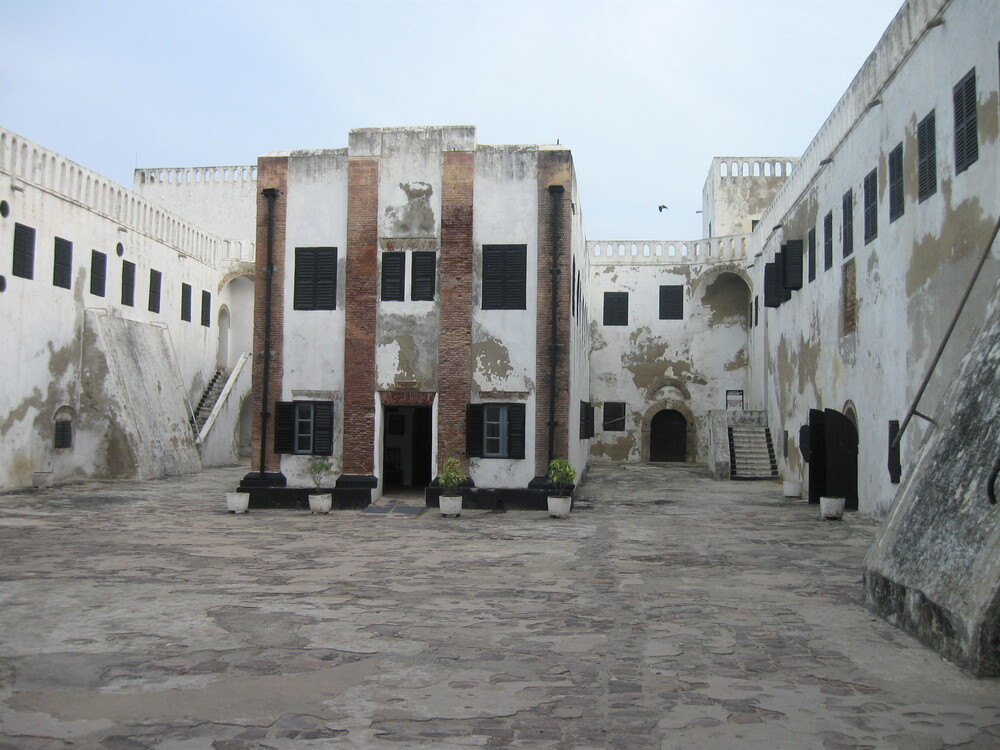
Forts and Castles, Volta, Greater Accra, Central and Western Regions
The remains of fortified trading-posts, erected between 1482 and 1786, can still be seen along the coast of Ghana between Keta and Beyin. They were links in the trade routes established by the Portuguese in many areas of the world during their era of great maritime exploration. Built and occupied at different times by traders from Portugal, Spain, Denmark, Sweden, Holland, Germany and Britain, they served the gold trade and later played a significant part in the history of the transatlantic slave trade.
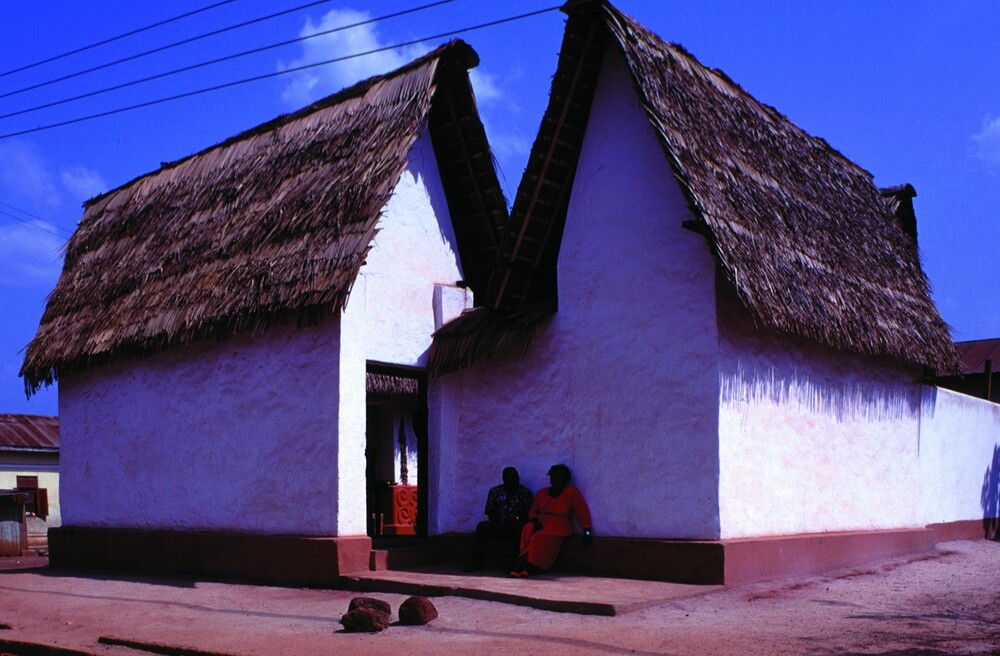
Asante Traditional Buildings
The remaining examples of Asante traditional architecture in and around Kumasi, in the Ashanti Region of Ghana, represent the unique earthen and wooden vernacular architecture of the Asante people. These sacred shrines, palace buildings, and ceremonial structures reflect the rich spiritual and political life of the Asante Kingdom. As the most prestigious surviving examples of this once-widespread building tradition, they bear exceptional witness to Asante civilization and craftsmanship that flourished from the 17th century onwards.
The World Heritage Convention
Adopted in 1972, the Convention Concerning the Protection of the World Cultural and Natural Heritage unites the international community in identifying and safeguarding sites of outstanding universal value for present and future generations.
Explore the World Heritage Centre