
Intangible cultural heritage refers to the traditions and living expressions inherited from our ancestors, practiced in contemporary life and passed on to future generations. It includes oral traditions, performing arts, social customs, rituals, festive celebrations, indigenous knowledge systems and traditional craftsmanship. In contrast to physical heritage, it is not embodied in material form but is recreated and passed on by communities, providing a sense of identity and continuity. Intangible cultural heritage was officially recognized in 2003 when UNESCO adopted the Convention for Safeguarding of Intangible Cultural Heritage to preserve and promote these living cultural expressions for present and future generations.
Intangible Cultural Heritage in Ghana
2 Inscribed Elements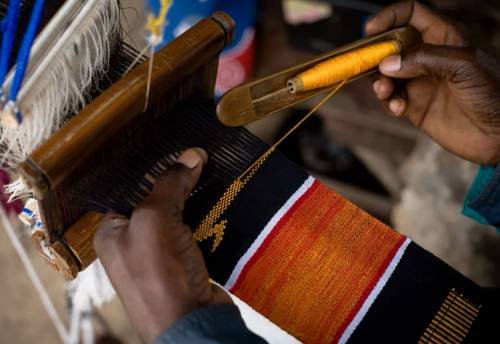
Craftsmanship of Traditional Woven Textile Kente
Kente is a ceremonial cloth hand-woven on a horizontal strip loom, originating among the Akan peoples of Ghana. Characterised by its vivid, multicoloured patterns of geometric shapes and bold designs, every Kente pattern carries symbolic meaning — communicating the wearer's identity, status, and values. The craft is traditionally passed from master weavers to apprentices through hands-on practice, preserving not only the technical skill but also a deep repository of cultural knowledge, proverbs, and history woven into every strip.
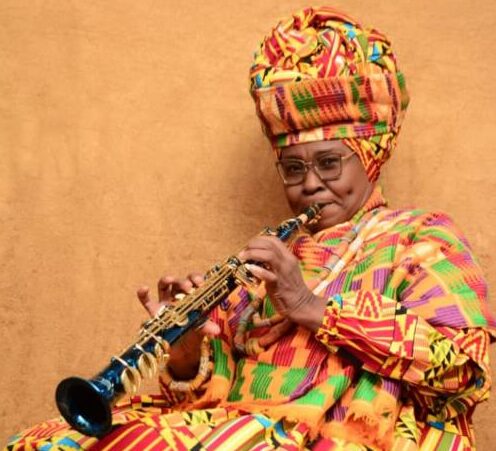
Highlife Music and Dance
Highlife is a vibrant music and dance tradition that emerged in Ghana in the early 20th century, blending indigenous Akan rhythms, melodies, and instruments with influences from European brass bands, Caribbean calypso, and church harmonies. Performed at social gatherings, festivals, and ceremonies, it serves as a living archive of Ghanaian social history and values. Passed on through community practice, mentorship, and performance, Highlife continues to evolve while maintaining deep roots in Ghanaian cultural identity and collective memory.
The 2003 Convention for the Safeguarding of the Intangible Cultural Heritage
Adopted in 2003, the UNESCO Convention for the Safeguarding of the Intangible Cultural Heritage recognises and protects living expressions that communities, groups and individuals consider part of their cultural heritage — keeping traditions alive for generations to come.
Explore the 2003 Convention