Empowering communities in biodiversity conservation through ecotourism, cultural heritage, and habitat restoration.
A global effort rooted in local knowledge
Opening the session, Mr Guilio del Federico, First Secretary of the Permanent Delegation of Italy to UNESCO, and Mr Marco Valleri, Direction General of Biodiversity and Sea of the Ministry of Environment and Energy Security of Italy, introduced the Earth Network. This initiative, launched in 2021, connects over 380 experts from more than 60 countries to harmonise scientific, local, and Indigenous knowledge systems. Together, they work alongside stakeholders in UNESCO-designated sites providing technical advice, data collection and training, while fostering partnerships of the UNESCO Biodiversity Portal, the world’s first global database dedicated to ecosystem management and resilience.
Conservation in action: stories from the Field
The webinar journeyed across Africa, beginning with insights from Mary Nyasimi, UNESCO National Programme Officer at the Regional Office for Eastern Africa. She spotlighted 13 missions spanning biosphere reserves in Kenya, Uganda, Tanzania, and beyond. These stories illustrated the Earth Network’s grassroots approach to tackling environmental challenges.

Landscape of the Mananara Nord Biosphere Reserve in Madagascar

Children playing at the Mananara Nord Biosphere Reserve in Madagascar

Mangroves of the Mananara Nord Biosphere Reserve (Madagascar)

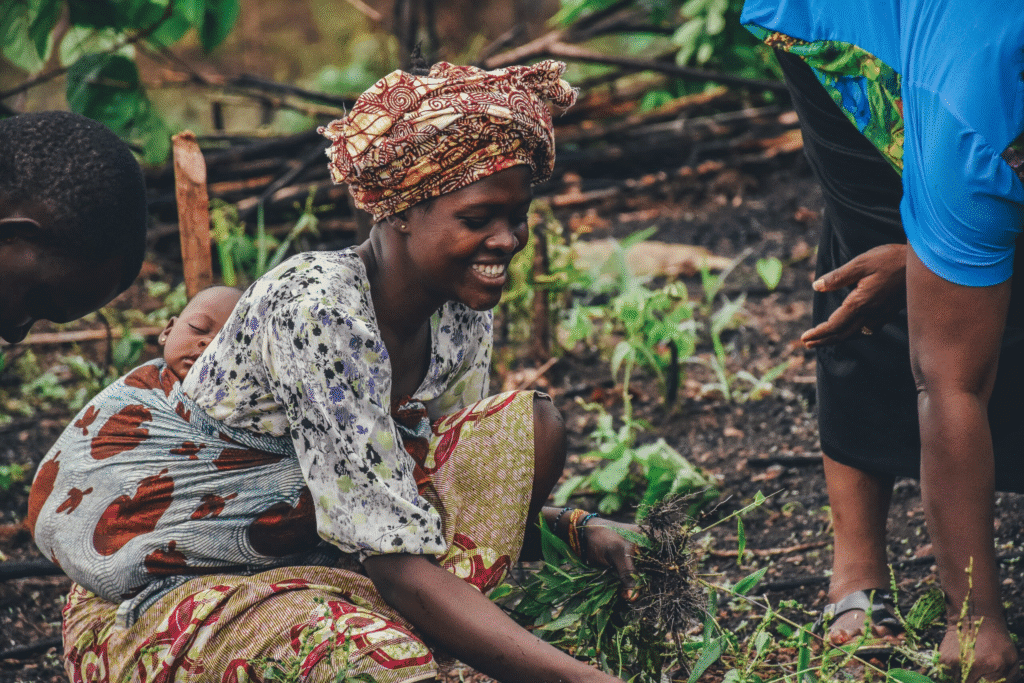
Woman and child on a day-to-day basis in the Kafue Flats Biosphere Reserve (Zambia).

Agricultural practices in the Kafue Flats Biosphere Reserve, Zambia

Landscape of the Kafue Flats Biosphere Reserve in Zambia.
In Madagascar, for example, the Mananara Nord Biosphere Reserve became a hub for community-led conservation, as shared by Liliane Parany of Madagascar’s MAB Committee. Training sessions equipped locals and park staff with tools like QGIS mapping software to manage fisheries sustainably, bridging the gap between technical expertise and community engagement.
In Zambia’s Kafue Flat Biosphere Reserve, a mission led by John Lukonde Chongo and UNESCO volunteer Vongani Maringa centred on creating a community-driven management plan. Traditional leaders spearheaded discussions on financing biodiversity efforts through ecotourism while preserving cultural heritage, a model demonstrating the power of local leadership in conservation.
Valuing nature’s services
Ecosystem services took centre stage in Tanzania’s Lake Manyara and Jozani Chwaka Bay Biosphere Reserves. Volunteer expert Karima Oustadi examined how these sites provide vital benefits such as clean water, crop protection, and resilience against climate shocks. Meanwhile, Dese Yadeta Edesa highlighted an innovative revenue-sharing scheme that channels ecotourism income directly to local communities, blending conservation with sustainable livelihoods.