
Two Ghanaian experts received training in conservation techniques
“What we learned in Korea, we will adapt to our home reality and build on”
“The ‘Forts and Castles of Ghana,’ a UNESCO World Heritage site, is not simply an old tourist attraction. It is a history that must be protected, carrying the sorrows of European colonial rule and the slave trade.”
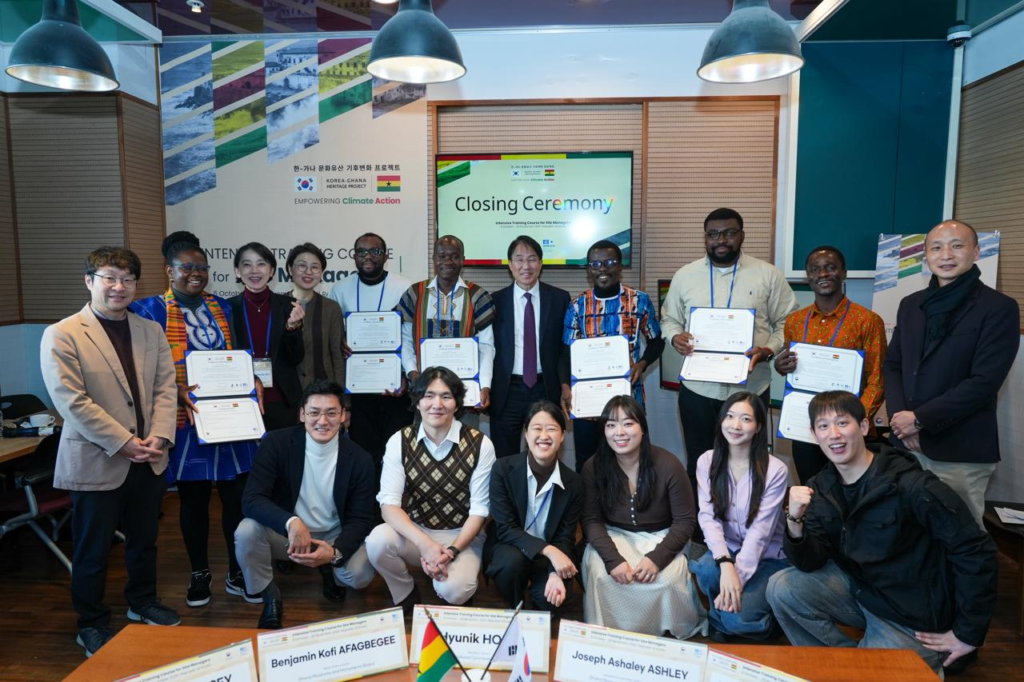
Odakor Ankrah-Addison, a program officer at the Ghana Commission for UNESCO, and Benjamin Kofi Afagbegyi, head of the Monuments Division at the Ghana Museums and Monuments Board (GMMB), recently visited Korea to learn heritage conservation techniques. This is how they stressed the value of Ghana’s forts and castles.
The two met on the 19th at the UNESCO House in Jung-gu, Seoul. They stayed in Korea for about seven weeks from the 6th of last month, as part of an Official Development Assistance (ODA) project run by the Korea Heritage Service and the Korean National Commission for UNESCO. They plan to use the know-how gained in Korea to start conservation work on the forts after returning home.
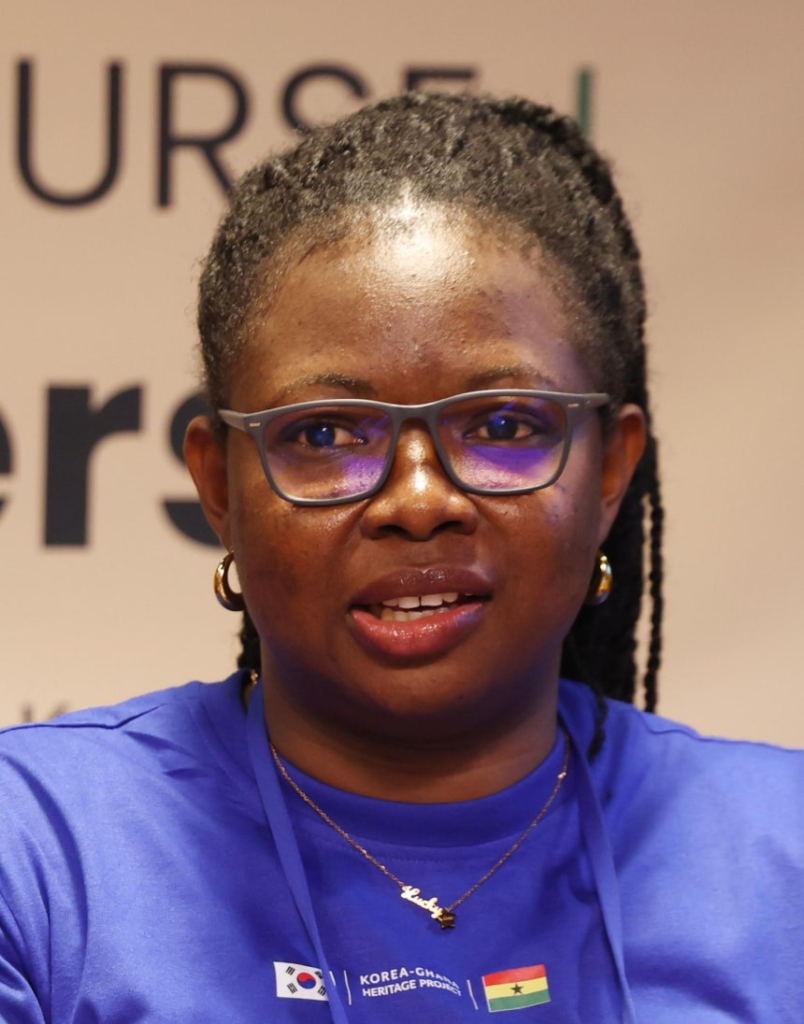
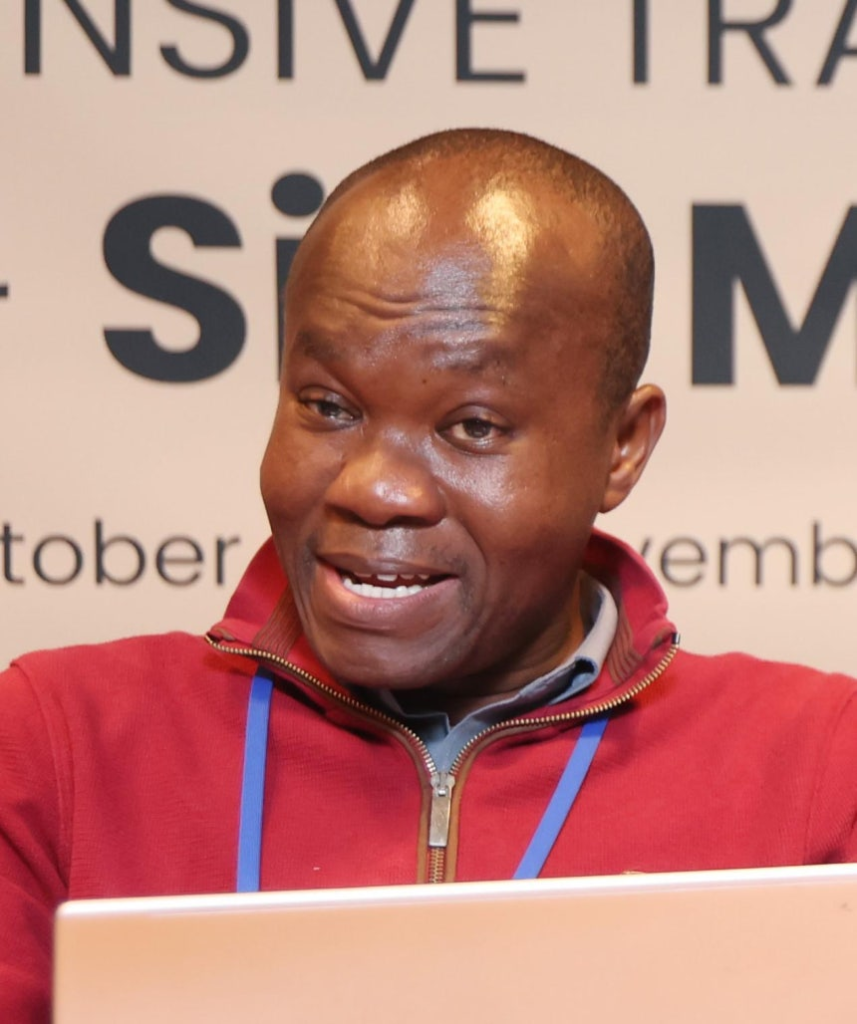
Built along the Ghanaian coast between the 15th and 18th centuries, the forts and castles were inscribed on the UNESCO World Heritage List in 1979 in recognition of their value as heritage that shows the history of the Atlantic slave trade and the African diaspora. However, they are gradually deteriorating because of climate change, including rising sea levels and salt damage. European countries have helped with conservation before, but their efforts amounted to repairing damage after it had already occurred. Mr. Apagbegyi said, “Korea’s preventive system, based on advanced monitoring, will be a turning point that changes how Ghana manages its cultural heritage.”
Building on this project, Ghanaian authorities plan to set up a heritage monitoring system and train specialists by 2030. It is expected to help preserve heritage sites vulnerable to climate change, such as heavy rainfall and abnormal temperatures, including Ghana’s World Heritage site, the “Asante Traditional Buildings.” Ms. Ankrah-Addison said, “Based on the know-how we learned in Korea, we will be able to respond before small damage grows into a serious structural problem,” adding, “We will combine what we learned here with Ghana’s institutional realities and keep developing.”
Reporter Lee Ji-yun, Dong-A Ilbo (동아일보)